
HCC Buyer’s Guide: Volkswagen Golf GTI Mk2
Han ChungThe Mk2 GTI isn’t just the sequel to the original hot hatch, it’s the car that proved the formula wasn’t a fluke. Bigger, more refined, and more usable than the Mk1, the Mk2 cemented the GTI’s reputation as the everyday performance benchmark. Today, it sits in the sweet spot of analogue engagement, practical usability, and attainable classic ownership - if you buy the right one, that is.

What Is It?
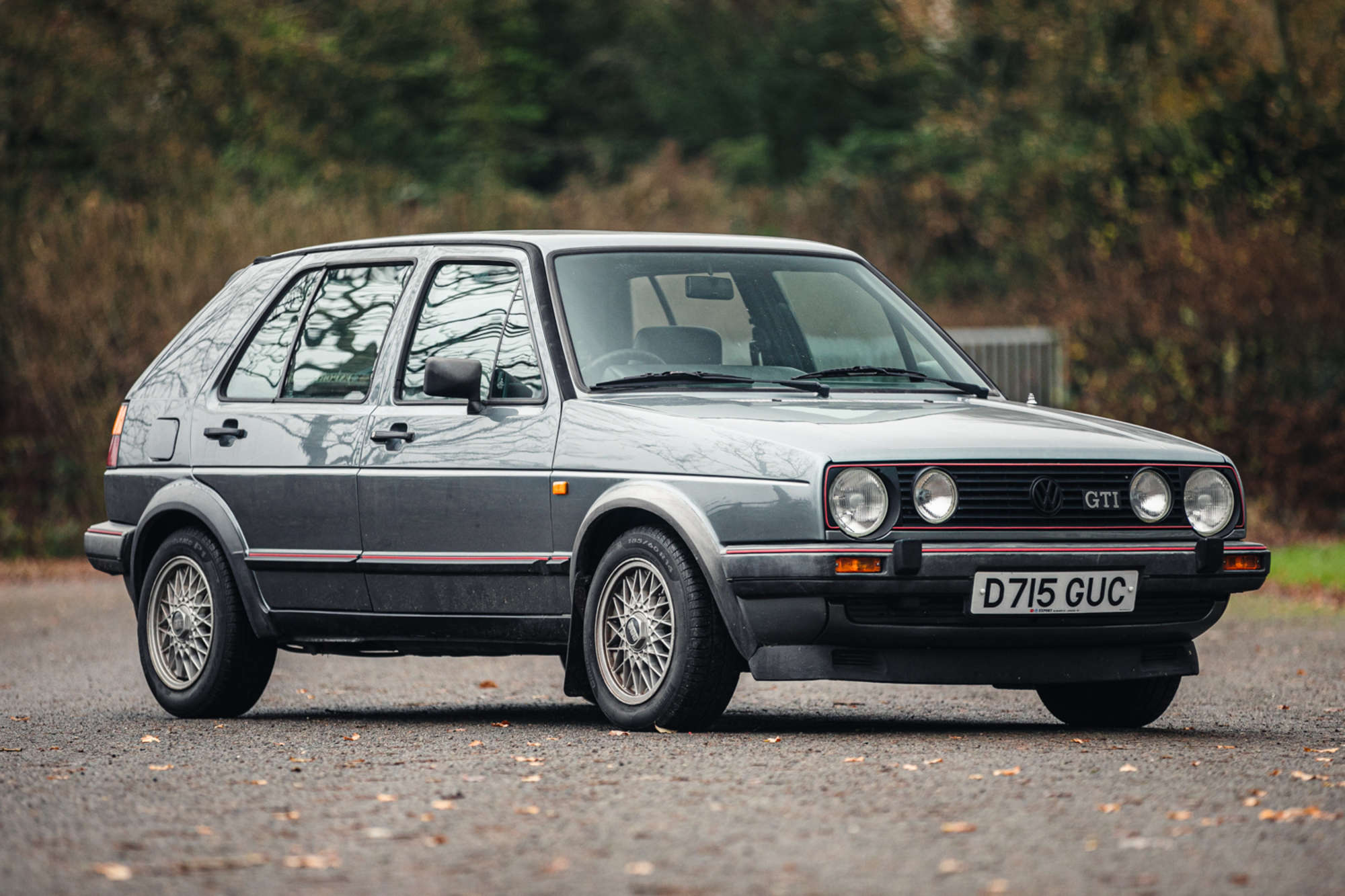
Produced from 1984 to 1992, the Mk2 GTI evolved the original Golf GTI formula without reinventing it. It was longer, wider, heavier, and more mature, but still under 1000 kg in most trims.
Buyers could choose:
- 3-door or 5-door body styles
- Early “small bumper” cars
- Later “big bumper” facelift models (1989+)
- 8-valve or 16-valve engines
More than 600,000 Mk2 GTIs were produced worldwide, making it both a classic and a genuinely usable platform with strong parts support especially if you know where to look.

Engines: 8v vs 16v
Aside from a rare 2.0 16v variant, both versions used a 1.8-liter inline-four, but the character differs significantly.

8-Valve (112hp)
- Broader torque curve
- More usable in daily driving
- Easier to enjoy at lower revs
- Simpler overall setup

16-Valve (129–139hp)
- Higher-revving character
- Stronger top-end power
- 0–60mph in ~8.0 seconds
- More “period correct” performance bragging rights
The 16v makes more power, but the 8v often feels more relaxed and flexible in real-world driving. For many enthusiasts, the 8v is the better all-rounder.

How Does It Drive?
By modern standards, the Mk2 GTI feels refreshingly mechanical.
- Under 1,000kg in most trims
- Thin pillars and excellent visibility
- Direct cable throttle
- Proper five-speed manual gearbox
It’s planted and confidence-inspiring compared to some of its French rivals. There’s less lift-off oversteer drama and more composure. Steering can feel slow (3.7 turns lock-to-lock on manual racks), but once loaded into a corner, the chassis communicates beautifully.
It’s quick enough to feel alive, but not so fast that you’re constantly worried about your license. Fun at road-legal speeds, that's where the Mk2 shines.

What Goes Wrong?
The Mk2 has a reputation for solidity, and it earned it. But these cars are now over 30 years old.
Rust (Biggest Concern)
Check carefully:
- Wheel arches (especially behind liners)
- Rocker panels and jacking points
- Fuel filler cap surround
- Bottom of windshield
- Front bulkhead
- Battery tray
- Sunroof perimeter (if equipped)
The shells were well protected from the factory, but corrosion is now inevitable without proper care.
Gearbox
- Worn 1st-to-2nd gear synchro is common
- Repair requires gearbox disassembly
Engine
- Blue smoke on startup or overrun = wear
- Injector lines (steel) can corrode
- Generally very robust if maintained
Suspension & Brakes
- Bushings, shocks, and springs often tired
- Rear calipers can seize
- Parts widely available
Electrics
- Central locking failures
- Aftermarket alarm wiring nightmares
- Late “CE2” cars (1989+) have updated wiring layout

Interior Issues
The interior is peak late-80s German minimalism: dark plastics, clear gauges, and the iconic golf-ball shifter.

However:
- Plastic trim can be brittle
- Headliners sag
- Some interior pieces are getting harder to source
Recaro seats are desirable. Original trim condition significantly affects value.

Performance & Economy
- 0–60mph: ~8.0–8.7 seconds
- Top speed: 120–130mph
- 16v can achieve ~30mpg when healthy
It’s the Goldilocks zone: fast enough to feel special, slow enough to fully exploit.

What Should You Pay?
Market values vary by region, but generally:
- Project 8v: Entry-level classic pricing
- Clean 8v: Solid enthusiast money
- 16v: ~10% premium
- Show-quality or highly original cars: Strong collector prices
Modified cars are common. Quality of work matters more than originality in many cases, but documentation is critical.

Which One Should You Buy?
If you want:
- Pure driving feel: 3-door
- Best daily usability: 8v
- Peak period performance: 16v
- Future collectability: Clean, original big-bumper 16v
We recommend buying on condition first, specification second.
A rust-free, well-documented 8v is better than a tired 16v with problems.

Why the Mk2 Still Matters
The Mk2 GTI represents the moment hot hatches matured. It kept the fun but added real-world usability. It’s analog without being fragile. Practical without being dull.
It’s a car you can actually drive, not just store. The Mk2 GTI deserves to be driven and maintained properly.
At Han Chung Classics, we continue to support Mk2 owners globally with OE and OEM components still produced for markets where these cars remained in service far longer than most regions. Whether you're restoring, maintaining, or building, the right parts still exist if you know where to source them.
And as enthusiasts ourselves, we only sell what we would confidently install on our own cars. Checkout our full VW Mk2 parts catalog here. VW Mk2 seal kits available here.
And remember, there's always room for a VW in your life.